Transform Your Manufacturing Process with HMC Machining Solutions
Understanding HMC Machining Solutions
What is HMC Machining?
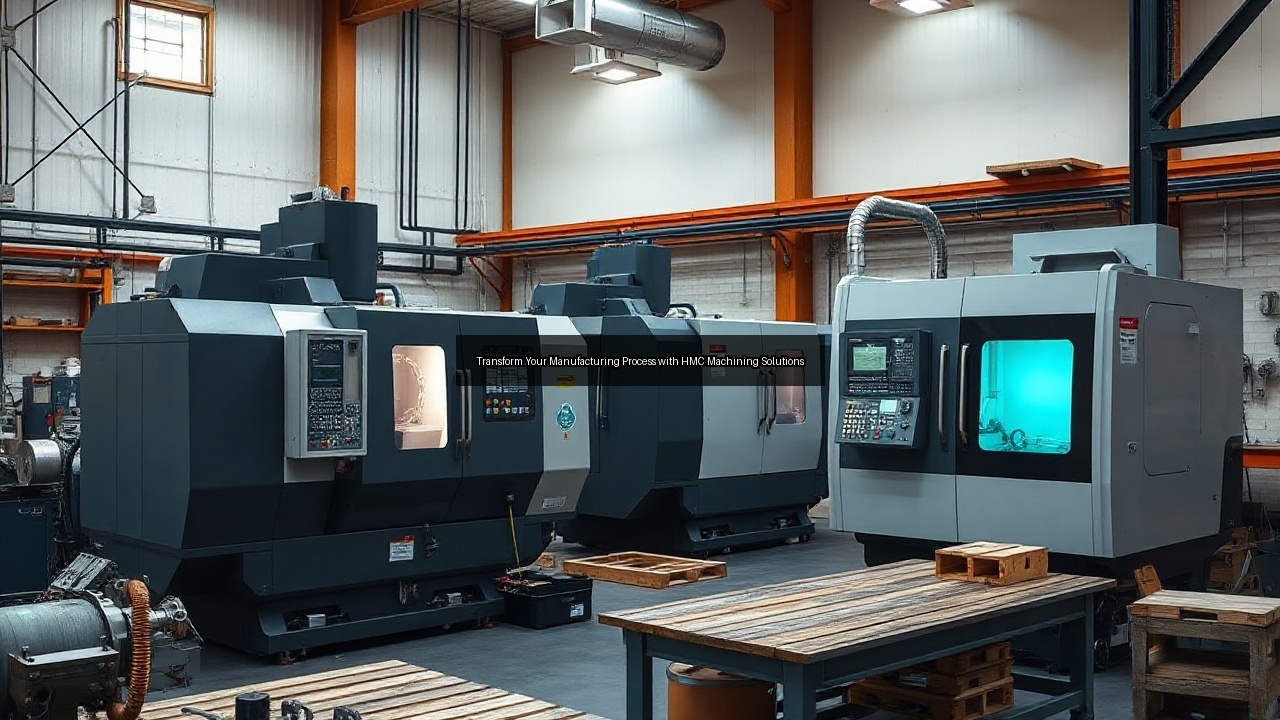
HMC machining, or horizontal machining center machining, represents a significant advancement in the field of precision manufacturing. This process utilizes horizontal machining centers, which are equipped with multiple axes and tool changers, enabling cnc machining services them to perform various machining operations in a single setup. Unlike traditional vertical machining, HMC machining offers enhanced capabilities for complex parts, allowing for higher efficiency and better surface finishes. The horizontal orientation of the machine tools facilitates gravity-assisted chip removal, which minimizes the risk of tool wear and maintains optimal machining conditions. Industries that require high-volume production benefit immensely from HMC machining services, as they streamline operations while ensuring precision.
Key Advantages of HMC Machining Technologies
HMC machining technologies deliver several key advantages that set them apart from other manufacturing methods. First, they significantly reduce cycle times due to their ability to perform multiple operations—such as milling, drilling, and tapping—within a single machine setup. This consolidation of processes not only saves time but also improves accuracy by minimizing the need for workpiece repositioning. Additionally, HMCs typically have a larger work envelope, accommodating bigger components and allowing for the production of intricate designs. The automation features found in modern CNC machining centers further enhance productivity, reducing labor costs and increasing throughput. Furthermore, these machines often come equipped with advanced metrology systems, ensuring consistent quality control throughout the manufacturing process.
Comparison with Traditional Machining Methods
When comparing HMC machining with traditional machining methods, the differences become clear. Traditional machining often involves separate setups for each operation, leading to longer cycle times and increased chances for human error. In contrast, HMCs streamline the entire process, allowing for complex parts to be machined in fewer setups. Additionally, traditional methods usually rely heavily on manual labor, which can introduce variability in the final product. HMC machining services minimize this risk through automation, enhancing precision and repeatability. The integration of CNC technology in HMCs also provides manufacturers with the ability to create intricate geometries and tight tolerances that traditional machining may struggle to achieve.
Applications of HMC Machining in Manufacturing
Industries Benefiting from HMC Machining
HMC machining finds applications across a wide range of industries, each benefiting from its unique capabilities. The automotive sector, for instance, relies on HMCs for the production of complex gear systems and engine components, where precision and reliability are paramount. Aerospace manufacturers utilize HMC machining to create lightweight yet strong parts, critical for aircraft performance and safety. The medical device industry also leverages HMC technologies to produce intricate devices that require high precision and biocompatibility. Additionally, sectors such as energy and oil and gas utilize HMC machining services for producing components that withstand extreme conditions, ensuring durability and performance in demanding environments. The versatility of HMCs makes them indispensable in modern manufacturing.
Precision Parts Manufacturing for Power Generation
In the power generation industry, precision is crucial, and HMC machining excels in meeting these stringent requirements. Manufacturers use HMC machining to produce components such as turbine blades, housings, and valve bodies, all of which demand high levels of accuracy and surface finish. The ability of HMCs to machine complex geometries enhances their effectiveness in creating parts that optimize efficiency and performance in power generation systems. Moreover, the consistency achieved through CNC technology ensures that each component meets rigorous industry standards. As the demand for renewable energy sources grows, the role of HMC machining in producing innovative solutions for power generation will likely expand.
HMC Machining in Metalworking and Fabrication
Metalworking and fabrication industries increasingly rely on HMC machining to enhance their production capabilities. The ability to machine various metals—such as aluminum, steel, and titanium—allows manufacturers to cater to diverse market demands. HMC machining services enable fabricators to create everything from custom tooling to intricate assemblies with superior precision. The integration of CNC milling machines into the fabrication process streamlines workflows, reducing lead times and improving overall productivity. Additionally, the use of EDM (Electrical Discharge Machining) alongside HMC technologies allows for the creation of complex shapes and fine features that are often challenging to achieve with traditional machining methods. This synergy between HMC and metalworking technologies drives innovation in fabrication.
Enhancing Productivity with CNC Machining Centers
The Role of CNC Technology in HMC Machining
CNC technology serves as the backbone of HMC machining, revolutionizing how manufacturers approach production. By automating the machining process, CNC systems eliminate manual errors and enhance precision across operations. This technology allows for the programming of intricate designs, enabling manufacturers to produce complex components consistently. The adaptability of CNC machining centers means they can easily switch between various tasks, accommodating changing production needs without significant downtime. Furthermore, CNC technology integrates seamlessly with CAD/CAM software, facilitating the design-to-production workflow and enhancing collaboration among engineering and manufacturing teams. This synergy significantly boosts overall productivity and quality in the manufacturing process.
Maximizing Efficiency with CNC Milling Machines
CNC milling machines play a vital role in maximizing efficiency within the HMC machining framework. These machines excel at removing material quickly and accurately, allowing for faster turnaround times in parts manufacturing. The versatility of CNC mills enables them to handle a wide array of materials and designs, making them ideal for industries with diverse fabrication needs. Additionally, the use of multi-axis CNC milling machines enhances the ability to create intricate shapes and features, reducing the need for multiple setups. Manufacturers can significantly increase their output while maintaining quality standards, making CNC milling a critical element of modern HMC machining services.
Integrating Metrology for Quality Control
Quality control remains a top priority in manufacturing, and integrating metrology into HMC machining processes enhances this aspect significantly. Metrology solutions, such as coordinate measuring machines (CMMs), allow for real-time inspection of machined parts, ensuring they meet specified tolerances. By incorporating in-process measurement techniques, manufacturers can detect deviations early, reducing waste and rework. This proactive approach to quality control not only enhances product reliability but also fosters customer satisfaction. The combination of HMC machining with robust metrology systems results in a streamlined manufacturing process that upholds the highest quality standards, critical in competitive markets.
Choosing the Right HMC Machining Services
Factors to Consider When Selecting a Machine Shop
Choosing the right machine shop for HMC machining services requires careful consideration of several factors. Start by evaluating the shop's experience and expertise in handling the specific materials and designs relevant to your project. A facility with a proven track record in precision machining can provide assurance of quality. Additionally, assess the range of services offered, including CNC technology capabilities and any specialized processes like EDM or metrology. Availability of advanced machining centers and the shop’s ability to accommodate changes in production volume are crucial factors that influence your choice. Lastly, consider the machine shop's commitment to customer service and communication, as these aspects can significantly impact the overall experience.
Evaluating Machining Capabilities and Services
When evaluating machining capabilities, it's essential to consider the technology and equipment available at the machine shop. Look for shops equipped with modern HMCs that feature advanced CNC systems, as these will enhance precision and efficiency. Assess the variety of machining processes offered, such as milling, turning, and fabrication services, to ensure they align with your project needs. Understanding the shop’s quality assurance protocols, including how they integrate metrology into their processes, provides insights into their commitment to delivering high-quality components. Additionally, inquire about their turnaround times and flexibility in accommodating custom orders or last-minute changes, as these factors can impact project timelines.
Made in the USA: The Importance of Local Manufacturing
Choosing local manufacturing services, specifically those that emphasize “Made in the USA,” offers several advantages. Domestic machine shops often provide faster turnaround times due to reduced shipping distances and logistics complexities. Supporting local businesses also fosters economic growth within the community, contributing to job creation and sustainability. Additionally, local manufacturers tend to have a better understanding of industry standards and regulations, ensuring compliance throughout the production process. When selecting HMC machining services, consider the benefits of partnering with a shop that values quality craftsmanship and innovation while contributing to the local economy.